Led by 15+ Years of Expertise in Snoring Care
Sleep Apnoea Symptoms
What Broken Sleep Could Be Telling You
Loud snoring, restless nights and waking up exhausted are often brushed off as normal, but they can point to something more serious. Sleep apnoea can interrupt your breathing many times through the night, affecting your sleep quality, energy levels and overall health. Recognising the signs early is the first step toward getting the right support.
Occasional Tiredness Happens. Ongoing Symptoms Should Not Be Ignored.
Sleep apnoea occurs when the airway becomes blocked or narrowed during sleep, causing repeated pauses in breathing. These interruptions can happen without you realising it, but the effects often show up during the day.
While some people notice loud snoring or choking during the night, others first pick up on signs such as poor concentration, dry mouth in the morning or constant fatigue.
Common sleep apnoea symptoms may include:
- Gasping, choking or snorting during sleep
- Waking suddenly through the night
- Morning headaches
- Dry mouth on waking
- Daytime tiredness
- Trouble focusing or poor concentration
- Irritability or low mood
- Unrefreshing sleep even after a full night in bed
When Sleep Apnoea Symptoms May Need Closer Attention
Not everyone who snores has sleep apnoea, but ongoing symptoms should never be ignored, especially when they begin affecting your day-to-day life.
If your sleep is broken, your breathing is noisy at night, or you often wake feeling as though you have barely rested, sleep apnoea may be part of the reason. Left untreated, it can place strain on your health and leave you feeling drained more often than not.
You may need an assessment if you:
- Snore most nights
- Wake up choking or short of breath
- Feel sleepy during the day
- Have been told you stop breathing in your sleep
- Struggle with morning headaches or poor focus
A Comfortable Way to Manage Obstructive Sleep Apnoea
Custom Oral Appliances Designed for Better Sleep
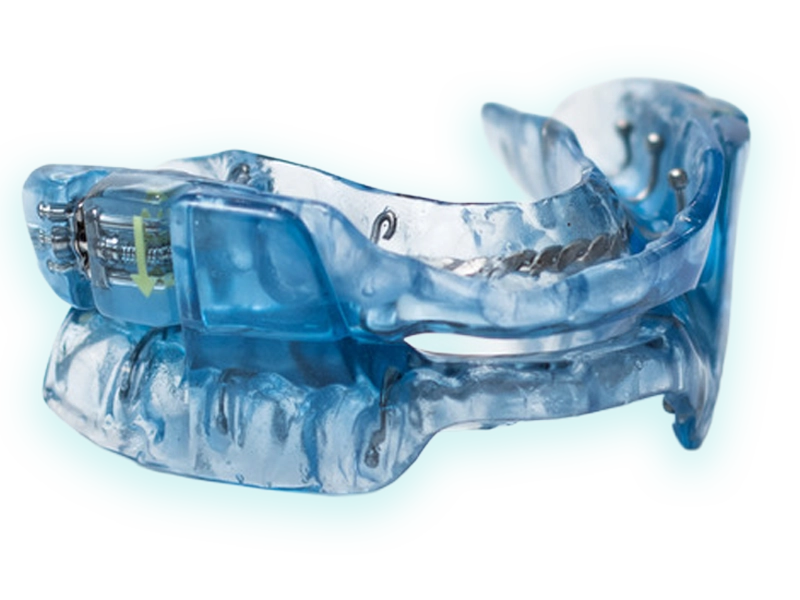
For many patients with mild to moderate obstructive sleep apnoea, oral appliance therapy can offer a practical alternative to bulkier treatment options. A custom mandibular advancement splint (MAS) is designed to gently move the lower jaw forward during sleep, helping the airway stay more open.
These appliances are compact, easy to wear and made specifically for comfort. They can reduce snoring and support better airflow throughout the night.
Why patients consider oral appliance therapy:
- Custom-made for your mouth
- Small, discreet and easy to travel with
- More comfortable for many sleepers
- Designed to support better airflow during the night

If you are looking for a treatment option that is simple, low-profile and made for regular use, a custom oral appliance may be worth discussing.
What Our Patients Say
“The oral appliance changed everything. I’m finally sleeping through the night, and my partner says the snoring is gone.”
MichaelParramatta
“After struggling with CPAP for months, I was ready to give up. This was the best decision I made.”
SandraNorth Sydney
“The team made the process so easy. The appliance is comfortable, and I no longer feel exhausted every morning.”
DavidHornsby

Trusted by Patients and Referring Doctors
Dental Sleep Professionals has helped many patients take the next step after noticing symptoms such as snoring, gasping during sleep and constant daytime fatigue.
Led by Dr Joakim Heng, our team works closely with medical practitioners and sleep physicians to provide treatment pathways that are evidence-based and patient-focused.
We support patients who are exploring alternatives to CPAP, as well as those who want a more comfortable long-term option.
- Over 10,000 appliances fitted
- TGA-approved devices only
- All staff are trained in dental sleep medicine
- Clinics across Australia
- No referral required

“As soon as I wore it the first night, no snoring.”
Frequently Asked Questions
Not always. Some people notice loud snoring or waking suddenly through the night, while others are more aware of the daytime effects, such as fatigue, headaches or trouble concentrating.
No. Snoring is common, but when it is frequent, loud or paired with gasping, choking, poor sleep or excessive tiredness, it may point to obstructive sleep apnoea.
Common signs include loud snoring, interrupted breathing during sleep, choking or gasping, morning headaches, dry mouth, daytime tiredness and difficulty concentrating.
Yes. Broken sleep can affect energy, mood, concentration and overall wellbeing. Many people find that untreated symptoms begin to impact work, relationships and general health.
That is worth following up. Pauses in breathing during sleep can be a key warning sign of obstructive sleep apnoea and should be assessed properly.
For suitable patients, yes. A custom mandibular advancement splint may help keep the airway open during sleep and can be an effective option for managing mild to moderate obstructive sleep apnoea.
How It Works
4 Simple Steps to Get Answers and Sleep Better
Book your consultation
Meet with our team and discuss your snoring symptoms.
Get assessed
If needed, we’ll help you organise a sleep study.
Get fitted
We take digital scans and provide your custom appliance.
No more snoring
Start sleeping soundly — no snoring, no hassle.
Still Waking Up Tired, Headachy or Short of Breath?
Our team can help you understand whether your symptoms may be linked to sleep apnoea and guide you toward a treatment approach that suits your needs, comfort and sleep goals.